

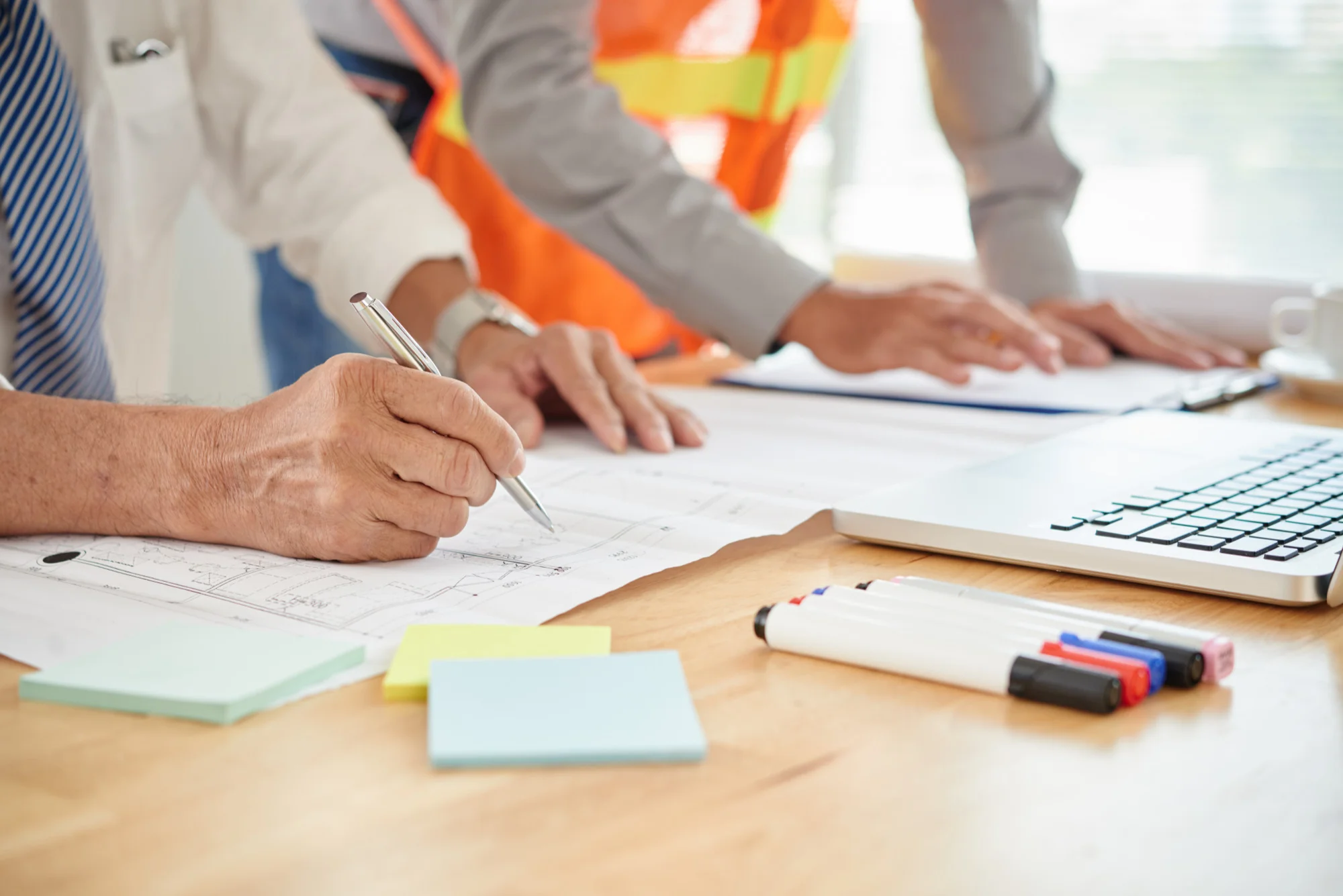
A construction project runs on drawings that never stop moving. A single building can push one drawing through ten, fifteen, twenty revisions before it is built, and a structural change, a client decision, or a site constraint can trigger the next one at any moment. Across the project, dozens of people in different companies, the structural consultant, the MEP contractor, the site engineer, the steel fabricator, are all working in parallel from the same set. For any of it to hold together, every one of them has to be looking at the same version of every sheet. Keeping a constantly moving target synchronised across that many hands is the real work of version control, and it is harder than it looks.
Many teams treat version control as paperwork that slows a project down. In practice it does the opposite. When everyone trusts that the drawing in front of them is current, a complex project moves fast and decisions get made without hesitation. When that trust is missing, work fills up with second-guessing, confirmation calls, and assumptions nobody has time to verify. This guide covers what proper drawing version control looks like, the approval workflow behind it, and how to keep every person on site building from the latest drawing.
If two people on your project can each open a different “latest” drawing, you do not have version control. See how Collabworx keeps a single controlled version of every drawing in one workspace. Start a free trial.
What Real Drawing Version Control Looks Like
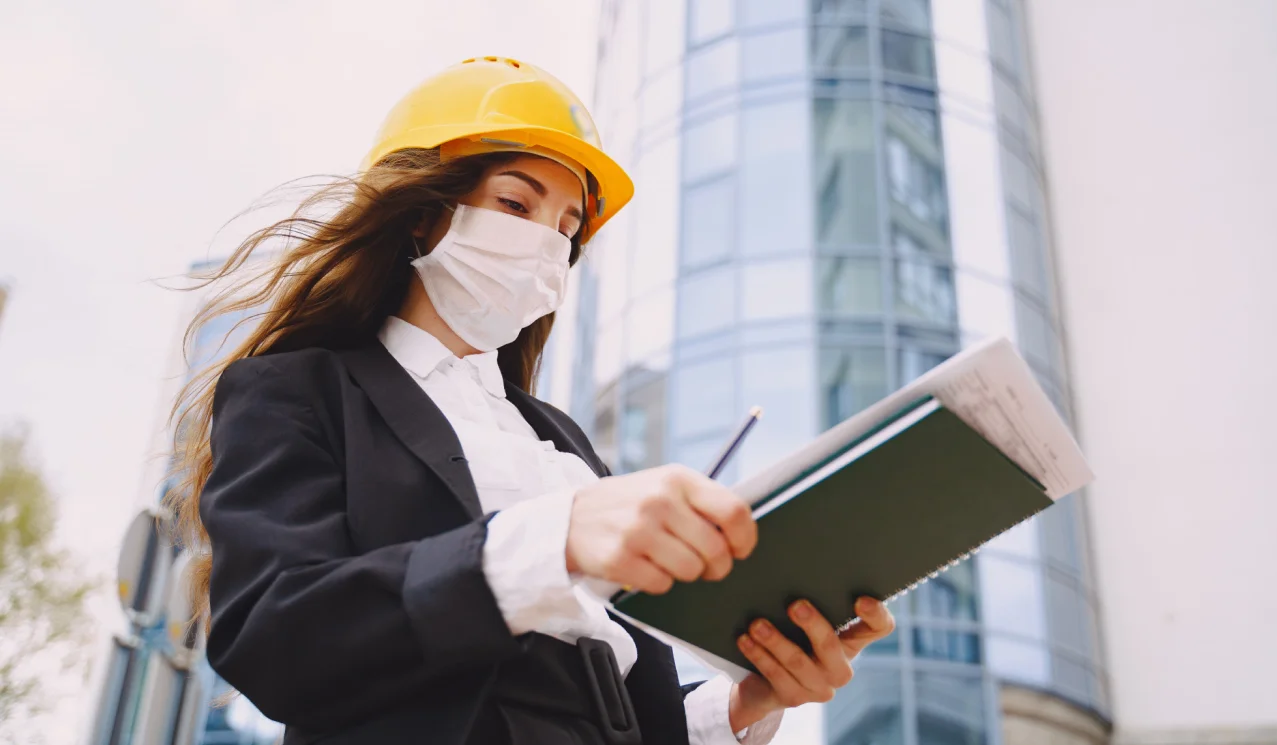
Effective construction document control comes down to a single guarantee: there is one current version of every drawing, everyone can find it, and no one can build from a version that has been replaced. A handful of principles make that possible.
- A single source of truth. One location holds the live drawing set, so the latest version is never a matter of opinion or a forwarded attachment.
- A clear revision convention. Every drawing carries a version identifier and a status, so anyone can tell at a glance whether they are looking at a draft, an approved issue, or a superseded sheet.
- Status that travels with the drawing. Labels such as Preliminary, For Approval, Good for Construction, and Superseded tell the field exactly what each drawing may be used for.
- Superseded revisions removed automatically. When a new revision is issued, the previous one drops out of circulation on its own but stays in the record for traceability.
- A full audit trail. Proper revision control for drawings logs every change: what changed, who issued it, and when. That is the history you need when a dispute or audit arrives.
- Controlled access. The people who can issue and approve drawings are separated from those who can only view them, so revisions are never made or shared informally.
The Drawing Approval Workflow
A drawing becomes current only by passing through a defined drawing approval workflow, a gated process recognized in standards such as ISO 19650, where each stage requires sign-off before the drawing can be issued to site. Currency comes from the workflow, not from the date on a file.
The stages themselves are straightforward. The consultant prepares and issues a drawing for review. The relevant parties check it and return comments. The drawing is approved and marked Good for Construction. It goes out to the field with a transmittal record so receipt is documented. And the moment a change is needed, the cycle repeats and the previous version is superseded. The discipline lives in the gates between stages.
How Collabworx Keeps Everyone on the Latest Drawing
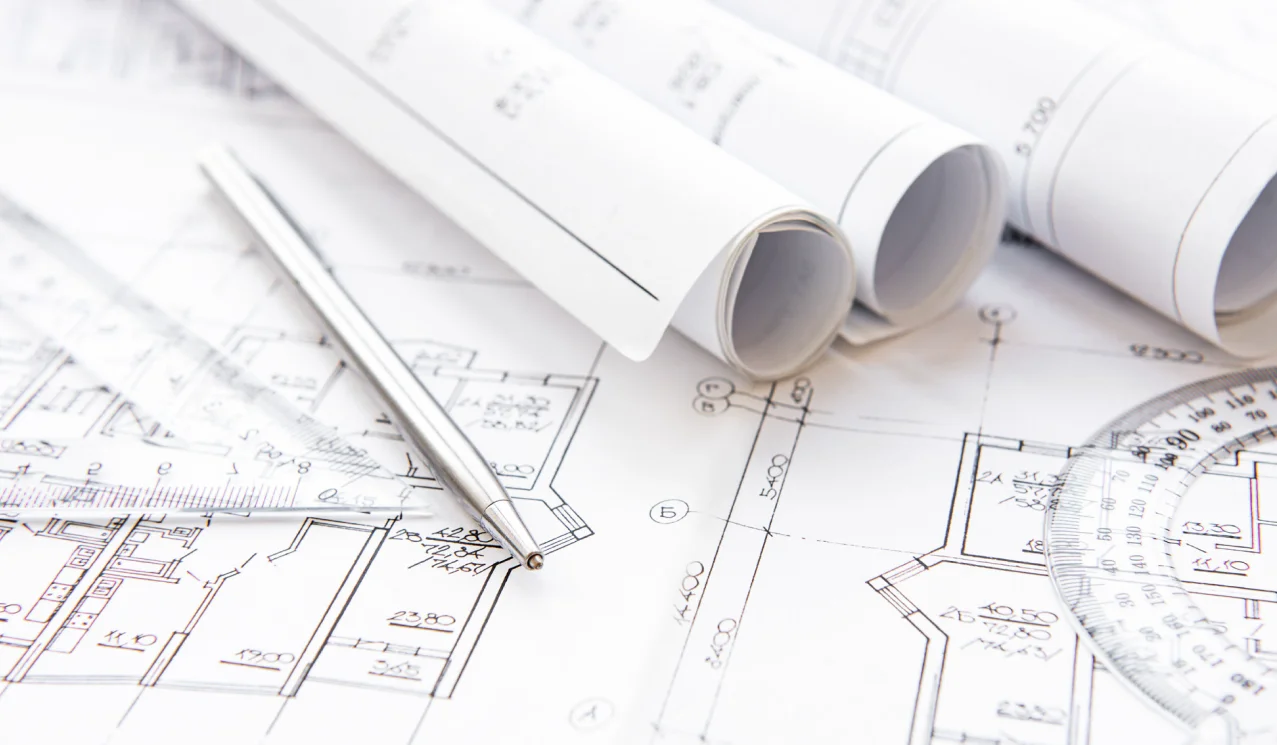
Most version-control failures have nothing to do with intent. They happen because drawings live wherever it is convenient: a shared drive, an email attachment, a contractor’s local folder. Generic storage has no concept of a revision, a status, or an approval, which is the exact gap that purpose-built construction document management software exists to close.
Collabworx is built for that gap. It is construction document management designed around how projects actually run, with every drawing held in a structured workspace mirrored on the project’s phases and lock-step version indexing, so the live revision is always the one you open and superseded sheets are locked out of circulation. It does what generic drawing management software cannot, pairing each drawing with its status and its complete revision history, so document revision control is automatic rather than manual. And because it works as document control software for construction rather than a passive file store, the same rigour carries across approvals, change orders, and engineering document management, with access controlled so an obsolete drawing can never quietly find its way back to site.
The Bottom Line
Drawing version control is what separates a project that builds once from one that builds, demolishes, and builds again. When there is a single current version of every drawing, a clear approval workflow behind it, and a locked record of everything that changed, the most expensive question on site never gets asked: are we sure this is the latest? The teams that never have to ask are the ones that controlled their drawings from the very first revision.
Start a free trial with Collabworx and keep every project building from one controlled, current set of drawings, with the full revision history ready long before anyone needs it.
 TALK TO US ?