


A site inspection is only as strong as the record it leaves behind, and on most Indian projects that record is the site inspection report. Get the inspection report format right and the report becomes proof that a pour was sound, a stage was fit to certify, and a running account (RA) bill was earned. Get it wrong and you are left with a note in a site diary that carries no weight when a stage clearance stalls or a RERA audit asks who signed off.
In short, a site inspection report is a dated, signed record of what was checked on site, what was found, and whether it passed. A good one logs observations with locations, defect severity, an owner and due date for each fix, dated photographs, and a formal sign-off.
Why site inspection reports carry more weight than teams assume
Inspections are gates. A pour cannot proceed, a stage cannot be certified, and a running account bill cannot be verified until the relevant inspection clears. That makes the construction inspection report one of the most load-bearing documents on site. Public-works norms like the CPWD Works Manual build periodic inspection into the process. On many private projects it is still treated as a formality.
When the record is weak, the costs are real. Defects get covered up and resurface inside the defect liability period (DLP), bills get disputed because the work was never signed as fit, and stage clearances stall because no one can produce the sign-off. On Indian sites, with several contractors working in parallel and clearances often given verbally, that gap is the everyday reality.
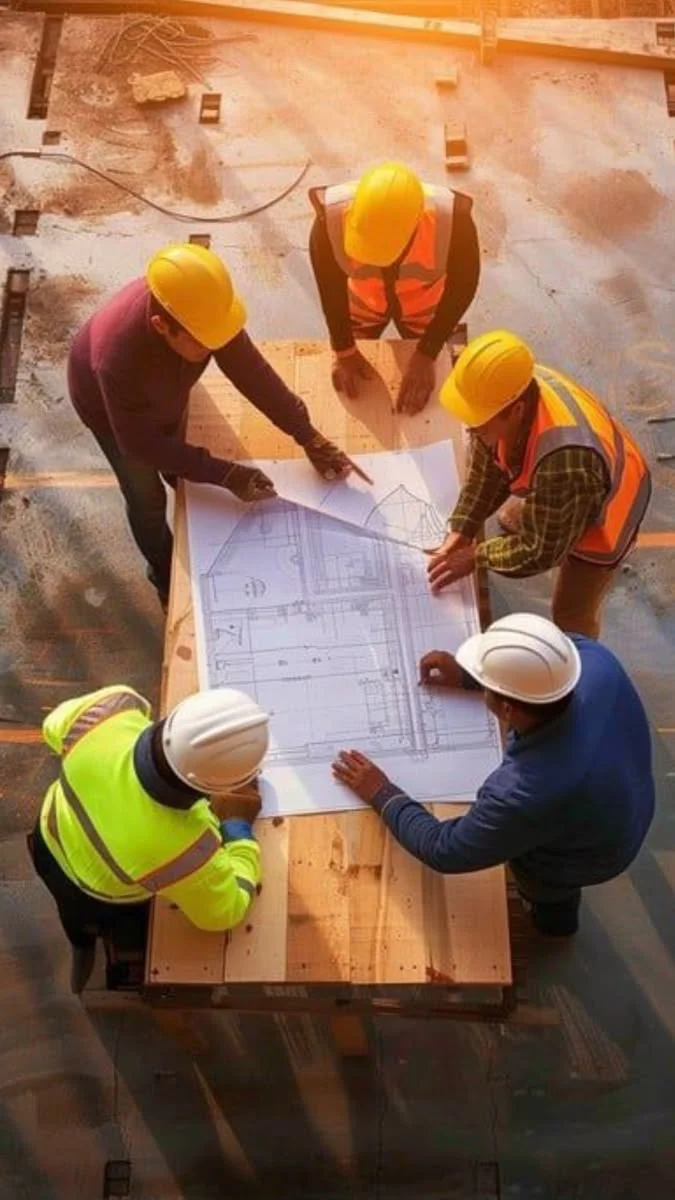
The site inspection report format (what every report must record)
Here is the structure a site inspection report should follow. You can lift it straight into your own template.
|
Section |
What it captures |
|
Header |
Project, block or location, date and time, inspection type, inspector and contractor present |
|
Scope of inspection |
Exactly what was inspected, referenced to the drawing or specification |
|
Observations |
What was found, item by item, with clear location references |
|
Compliance status |
Pass, pass with observations, or fail, marked per item |
|
Defects and snags |
Each defect, its severity, and who owns the fix |
|
Rectification and due date |
The action required and the date it must close by |
|
Photographs |
Dated images tied to each observation |
|
Sign-off |
Names and signatures of inspector, contractor, and consultant, with date |
Two fields decide whether the report is worth anything: observations and sign-off. “Plastering checked” tells you nothing six months later, while “Block B, third floor, west wall, hollow patches at two locations, rectify by 24 June” is a record you can act on and defend. And an observation with no name against it is only an opinion, while a signed clearance is evidence you can stand behind.
Common Types of Inspections, and Who Signs Them off
Not every inspection carries the same sign-off. A pre-pour or pour card is cleared by the site engineer, a stage or milestone inspection by the PMC or consultant, and waterproofing checks tend to cluster before the monsoon. A quality inspection report at the snag or pre-handover stage feeds straight into handover and the defect liability period that follows.
Where inspection reports fall short
The format is rarely the problem. The failure points sit in how the report gets captured and stored:
- Filled from memory hours later, so the detail is already gone.
- Photographs missing, or saved somewhere apart from the entry they belong to.
- No named owner or due date, so defects stay open for weeks.
- Cleared verbally on site with nothing signed.
- Several forwarded copies, and no single version anyone trusts.
Most of these are a construction document management problem before they are a quality one.
How to run inspections so the record holds up
- Inspect against the current drawing or specification, not a printout of unknown revision.
- Record observations on site, on mobile, while you are standing in front of the work.
- Attach dated photographs to the specific observation, not to the report as a whole.
- Give every defect a named owner and a due date, then track it to closure.
- Capture the sign-off digitally so the clearance is traceable to a person and a time.
- Keep closed reports in the project record, inside a common data environment (CDE) with a standard folder structure, rather than in a chat history.
None of this adds work. It moves the same work into a place where it survives an audit.

From a paper form to a traceable record
Once you treat inspections as a documentation problem, the fix becomes structural. The report needs to live where it stays connected to everything around it: the drawing revision it was checked against, the RFI that answered a design query, the RA bill it supports, and the handover file it eventually joins.
That is the layer Collabworx is built to be. Not a replacement for your ERP or your project management tool, but the coordination layer that sits alongside them, keeping every inspection, photo, and timestamped sign-off in one versioned record through role-based access instead of a scatter of WhatsApp forwards. When a stage clearance, a RERA audit, or an occupancy certificate (OC) check comes around, the trail is already in place.
Frequent Asked Question
What is the difference between a site inspection report and a daily progress report?
A daily progress report logs what work happened across the site that day. A site inspection report checks specific work against a standard and records whether it passed, with a sign-off. Different trigger, different purpose, and together they cover both progress and quality.
The Bottom Line
The site inspection report is a small document that decides big things: whether a bill gets paid, whether a stage gets certified, and whether you can defend a call a year later. The inspection report format is easy to get right on paper. What separates a report that protects you from one that just sits in a folder is discipline: recording it on the spot, attaching the proof, naming the owner, and keeping the signed version where it can be found.

 TALK TO US ?